


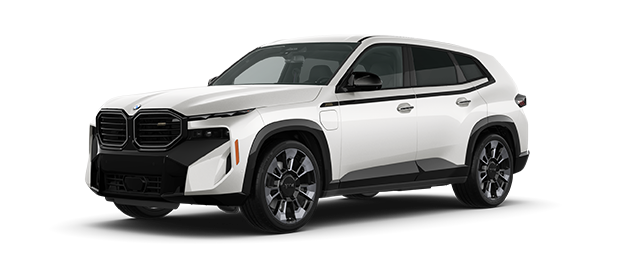
The advantages of plug-in hybrid vehicles.

Long Range.
Plug-in hybrid vehicles adapt to your everyday life. If the fully electric range is insufficient for your journey, then the combustion engine automatically kicks in. This makes plug-in hybrids more flexible on longer journeys and independent of the regional charging infrastructure.
Designated parking.
Drivers of plug-in hybrids often receive preferential parking for increased convenience while charging, increasing convenience and reducing time spent finding a spot.

Convenient home charging.
Simply and easily charge a plug-in hybrid vehicle at home, just like an all-electric car. This allows you to save time and reduce the need to visit gas stations.

Lower emissions.
Plug-in hybrids cover distances of up to 40 miles purely in electric drive, resulting in zero emissions.
BMW Plug-In Hybrid FAQs
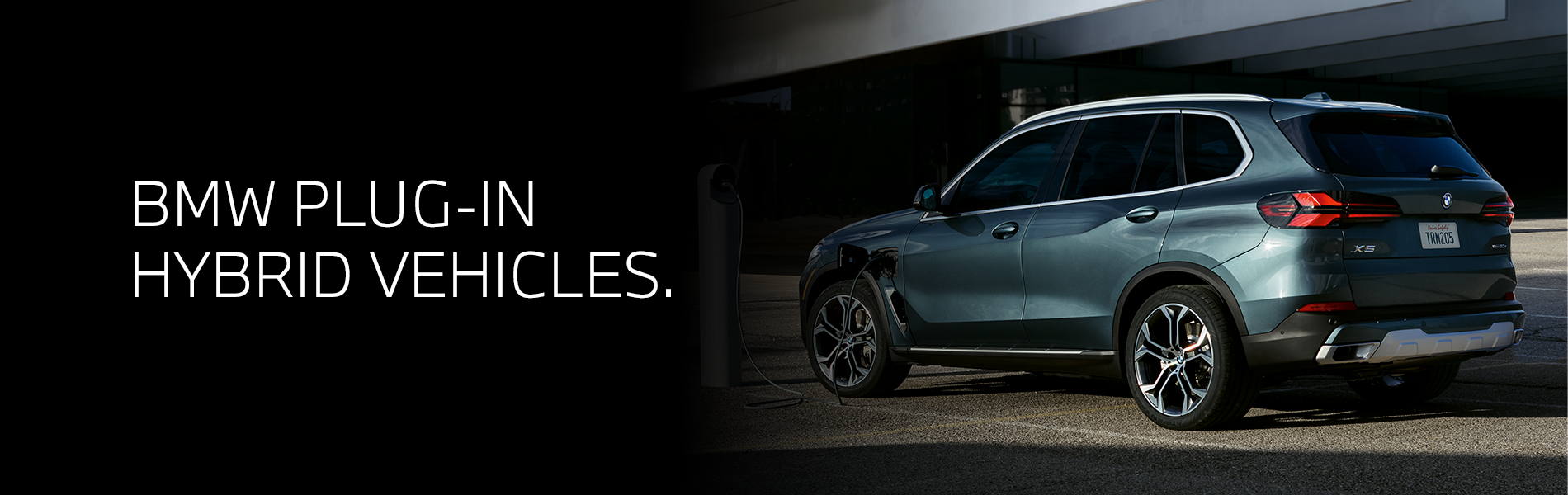
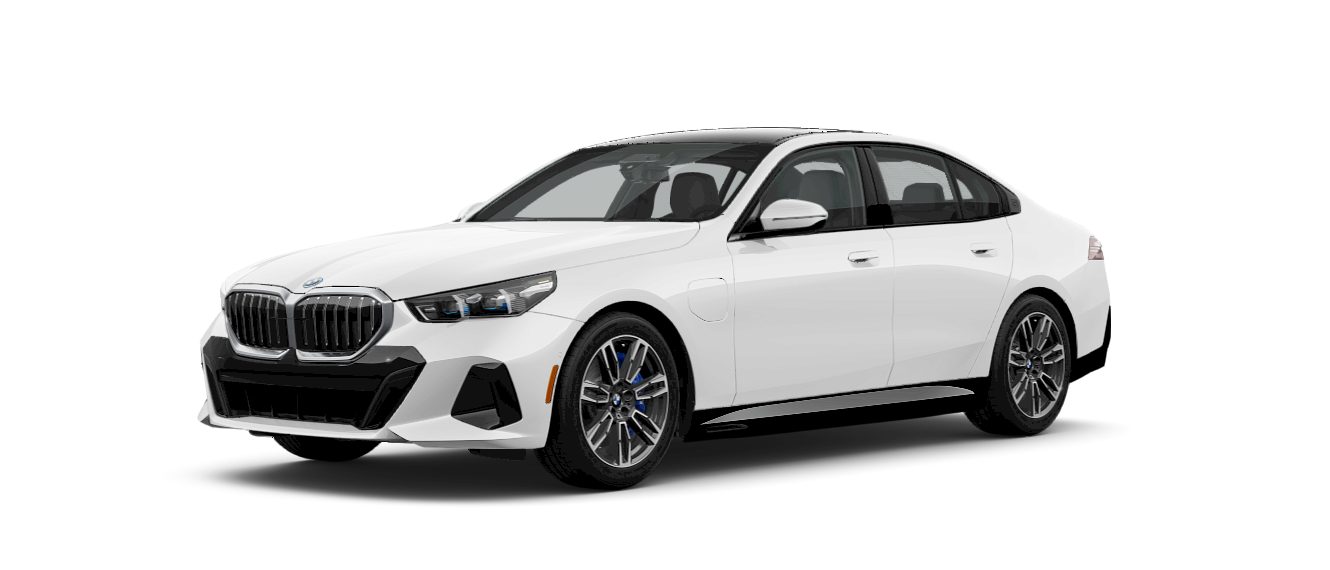
BMW offers a growing selection of plug-in hybrid and all-electric vehicles. Plug-in hybrid models include the BMW X5 xDrive50e and BMW 550e xDrive, while the all-electric lineup features the BMW i4, i5, i7, and iX.
BMW plug-in hybrid models combine a gasoline engine with an electric motor. Current examples include the BMW X5 xDrive50e and BMW 550e xDrive. These vehicles can drive on electric power alone for shorter trips while providing the flexibility of a gasoline engine for longer journeys.
BMW PHEV models are not all-electric vehicles. BMW's fully electric lineup includes the BMW i4, BMW i5, BMW i7, and BMW iX. Unlike plug-in hybrids, these vehicles operate entirely on battery power and produce no tailpipe emissions while driving.
BMW plug-in hybrid vehicles use standard Level One or Level Two charging equipment. A Level One charger plugs into a standard household outlet, while a Level Two charger can significantly reduce charging times when installed at home or found at many public charging locations.
Yes, BMW plug-in hybrid vehicles can be conveniently charged at home.
BMW plug-in hybrid vehicles are compatible with many public Level Two charging stations. Drivers commonly use networks such as ChargePoint, EVgo, FLO, Shell Recharge, and other public charging providers.
Electric driving range varies by BMW plug-in hybrid model. For example, the BMW X5 xDrive50e offers an EPA-estimated electric range of up to approximately 40 miles, while other BMW PHEV models provide different electric-only ranges depending on the vehicle, battery size, and model year.
Yes, BMW plug-in hybrid vehicles can help reduce fuel consumption and overall environmental impact. By using electric power for shorter daily drives, many owners can decrease gasoline usage while still enjoying the flexibility of a traditional engine for longer trips.
Yes, BMW plug-in hybrid vehicles can reduce tailpipe emissions compared with conventional gasoline-only vehicles. When driven in electric mode, they produce no tailpipe emissions, and even when operating in hybrid mode, they often consume less fuel, helping reduce overall emissions during everyday driving.
